
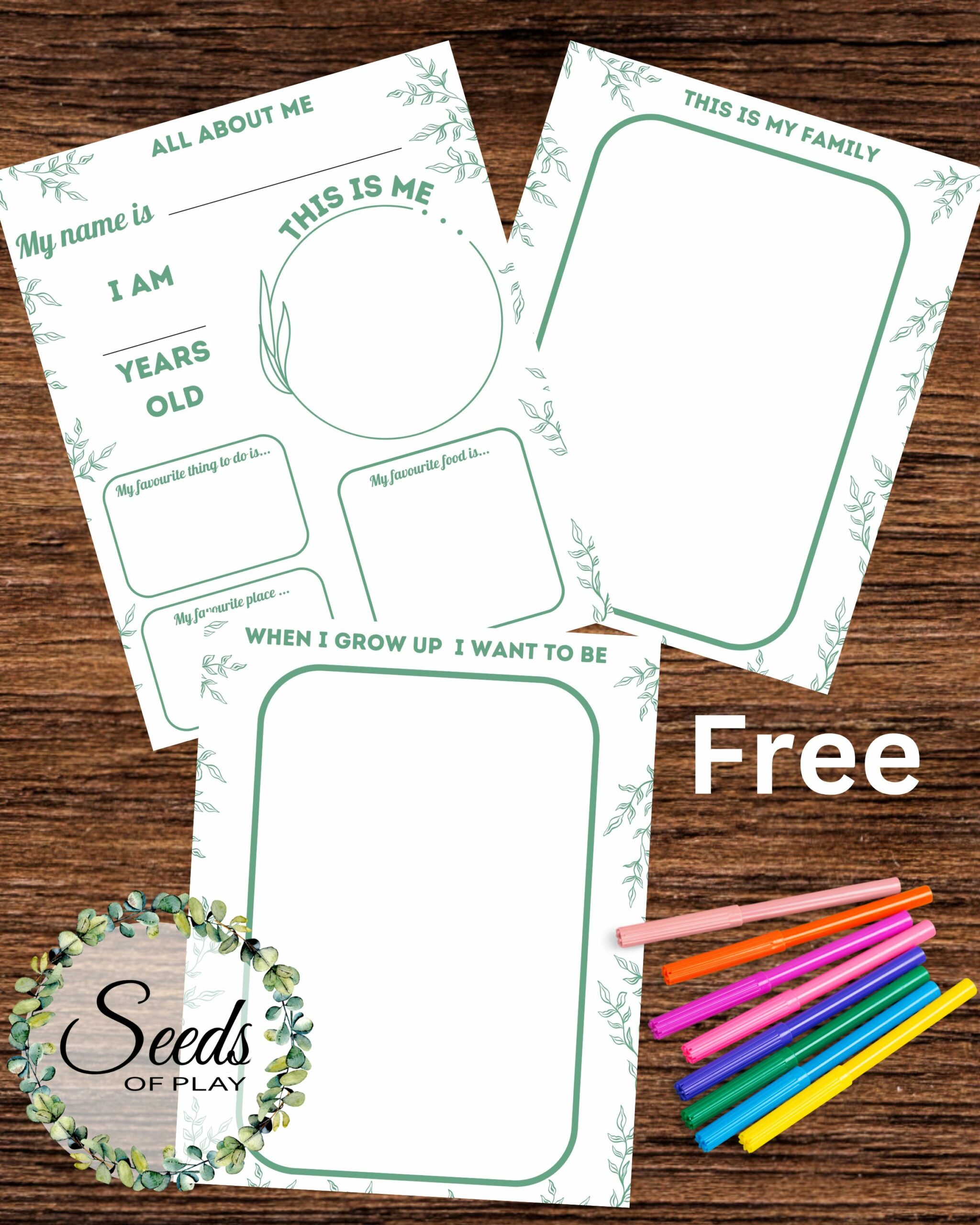
Only logged in customers who have purchased this product may leave a review.
| Product Type | Activities |
|---|
| Special Days | None |
|---|
| Options | FREE |
|---|
OTHER RELATED PRODUCTS
-

Separation Anxiety Portfolio I Transition to School
$6.99 Sold By: All Therapy Resources -
Easter Activity and Learning Story Pack
$9.95 Sold By: The Educators' Domain -
Safety Skills I 64 Yes/No Clip Cards I SPED
$4.99 Sold By: All Therapy Resources -
Sale!
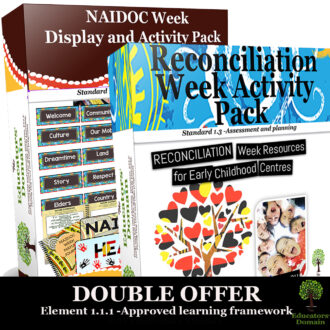
Double Offer- Reconciliation and NAIDOC Interest Area Packs
Original price was: $99.95.$39.95Current price is: $39.95. Sold By: The Educators' Domain


LIKE US ON FACEBOOK

✨𝐅𝐞𝐚𝐭𝐮𝐫𝐞𝐝 𝐒𝐞𝐥𝐥𝐞𝐫✨ KEYSTONE CREATIONS ~ Educational Songs's Store: We are two experienced educators and 'partners in rhyme’ with backgrounds in the creative and performing arts, who share a firm belief that children learn what they sing.🍎❤️➡️ australianteachersmarketplace.com.au/vendor/keystone-creations-educational-songs/ #australianauthors #australianteachers #australianeducators #aussiemade #aussieowned #australianteachersmarketplace #aussieeducators #australianeducators #teachercollaborators #teachercreators #aussietpt #atm #keystonescreations

0 CommentsComment on Facebook
✨𝐅𝐞𝐚𝐭𝐮𝐫𝐞𝐝 𝐒𝐞𝐥𝐥𝐞𝐫✨ Lemonade Taste✨ Quality resources and programming documents to support all teachers across NSW.🍎❤️ ➡️ australianteachersmarketplace.com.au/vendor/lemonade-taste/ #australianauthors #australianteachers #australianeducators #aussiemade #aussieowned #australianteachersmarketplace #aussieeducators #australianeducators #teachercollaborators #teachercreators #aussietpt #ATM #lemonadetaste

1 CommentComment on Facebook
✨𝐅𝐞𝐚𝐭𝐮𝐫𝐞𝐝 𝐒𝐞𝐥𝐥𝐞𝐫✨𝐋𝐲𝐬𝐬𝐢𝐞 𝐋𝐨𝐮 𝐋𝐞𝐚𝐫𝐧𝐢𝐧𝐠✨Lyssie Lou Learning creates and sells educational resources for parents and educators to support their children and students in consolidating their learning.✨🍎❤️ ➡️ australianteachersmarketplace.com.au/vendor/lyssie-lou-learning/ #australianauthors #australianteachers #australianeducators #aussiemade #aussieowned #australianteachersmarketplace #aussieeducators #australianeducators #teachercollaborators #teachercreators #aussietpt #ATM #lyssieloulearning

1 CommentComment on Facebook
Featured product australianteachersmarketplace.com.au/product/term-1-mega-bundle/
✨𝐅𝐞𝐚𝐭𝐮𝐫𝐞𝐝 𝐒𝐞𝐥𝐥𝐞𝐫✨𝐋𝐉𝐇 𝐥𝐞𝐚𝐫𝐧𝐢𝐧𝐠✨Printable resources for Early learning education and home schooling✨🍎❤️ ➡️ australianteachersmarketplace.com.au/vendor/ljh-learning/ #australianauthors #australianteachers #australianeducators #aussiemade #aussieowned #australianteachersmarketplace #aussieeducators #australianeducators #teachercollaborators #teachercreators #aussietpt #ATM #ljhlearning





info@australianteachersmarketplace.com.au
QUICKLINKS
SUBSCRIBE
Sign up here for monthly freebies from Aussie Teachers and Educators!
Acknowledgement
I am fortunate to live and carry out my work on Bindal and Wulgurukaba Country. I acknowledge the Traditional Owners of the land where I work and live. I pay my respects to Elders past, present and emerging. I celebrate the stories, culture and traditions of Aboriginal and Torres Strait Islander Elders of all communities who also work and live on this land.
© 2022 Australian Teachers Marketplace. All Rights Reserved | Website designed and built by Morningstar Digital
Reviews
There are no reviews yet.